internal linking seo
Internal Linking for SEO: The Simple Method Small Sites Ignore
Internal links tell Google which pages matter most. This simple method links blog posts to the pages that sell, so strong content lifts your service pages.
Technical SEOUpdated 2 min readBy Kanchana Delgoda, Search and AI visibility
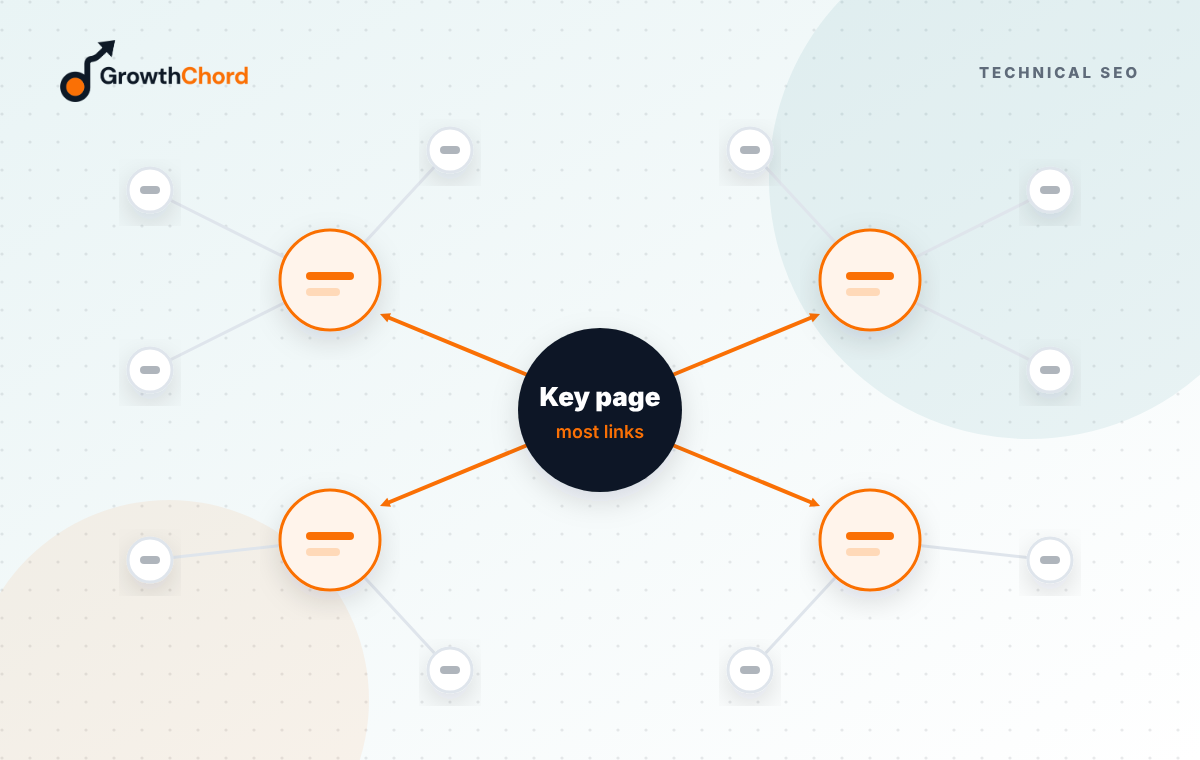
Short answer: link from pages that get attention, like popular blog posts, to the pages that make money, like service and area pages, using descriptive link text. Make sure every important page is linked from several others, and that no page is left with no links pointing to it. That tells Google which pages matter and moves readers toward enquiries.
Most small websites link in a random way: a "related posts" widget at the bottom, a menu, and that is it. Meanwhile their service pages, the ones that bring customers, get very few links and struggle to rank. Internal links are one of the cheapest SEO fixes there is.
Why do internal links matter?
They do two jobs. For visitors, they offer the next useful step. For Google, they show how your pages relate and which ones you consider most important. A page linked from many relevant places looks more important than a page buried with one link.
What is the simple method?
Step 1: List your money pages. Your main service pages, location pages and pricing page.
Step 2: List your attention pages. The blog posts and guides that get the most impressions or visits in Search Console.
Step 3: Link attention to money. In each attention page, add a natural link in the body to the most relevant money page. For example, a post about monsoon roof leaks links to your "roof leak repair in Colombo" page with that exact phrase.
Step 4: Link money pages to each other. A service page links to its area pages, its pricing, and a related service.
Step 5: Find orphans. Any important page with no links pointing to it should get at least two or three.
What makes a good internal link?
- Placed in the main text, where it helps the reader.
- Uses descriptive words, not "click here" or "read more".
- Points to the most relevant page, not always the homepage.
- Works on mobile and is easy to tap.
What should you avoid?
Stuffing dozens of links into one paragraph, using the exact same link text everywhere, and linking to pages that are thin or out of date.
How do you keep it up?
Every time you publish a new post, add two or three links from it to service pages, and one or two links to it from older related posts. Ten minutes per post adds up.
Internal linking is built into our SEO service. Want us to find your orphan pages and best linking chances? Request a free growth audit.
- Technical SEO
- Core Web Vitals
- Crawlability